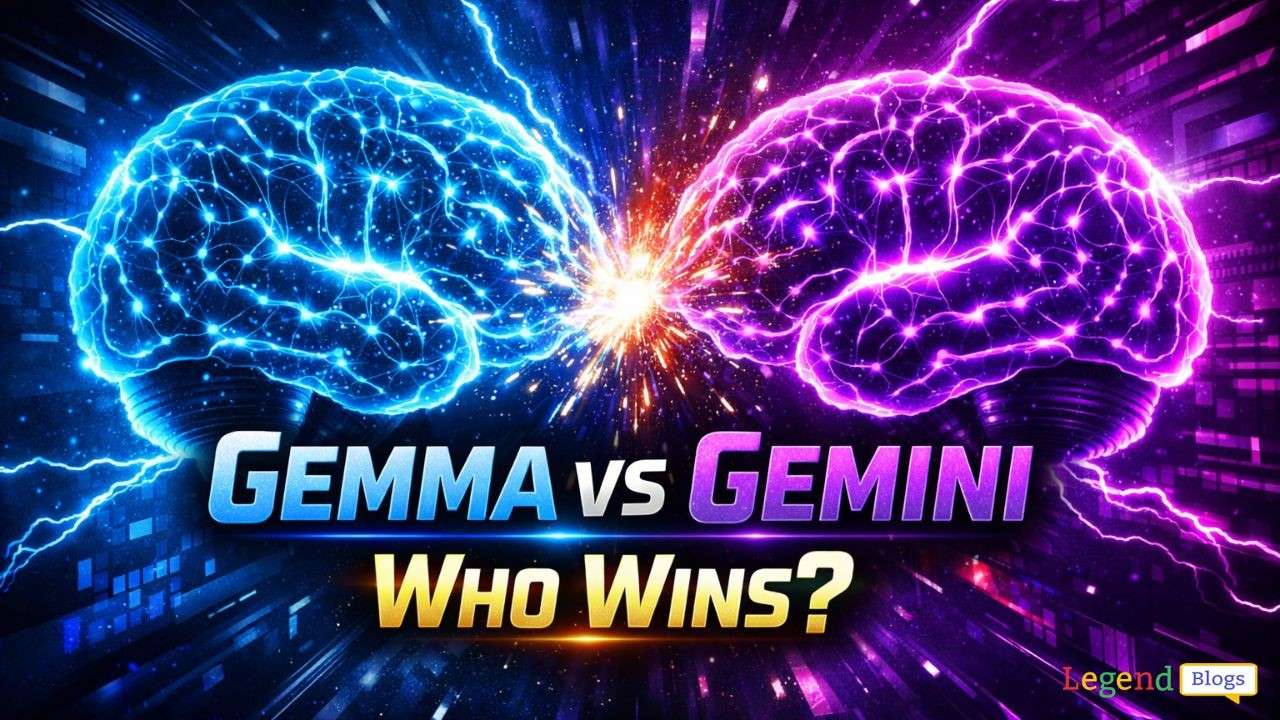
Artificial intelligence models are evolving faster than ever, and the comparison between Gemma 4 vs Gemini is becoming a hot topic among developers, businesses, and AI enthusiasts. Both are backed by Google, yet they serve different purposes and audiences.
In this detailed guide, we’ll break down their differences in performance, architecture, use cases, pricing, and real-world practicality—so you can confidently decide which one fits your needs.
Introduction to Gemma 4 vs Gemini
1. What is Gemma 4?
Gemma 4 is an open-weight AI model family developed by Google DeepMind. It is designed for developers who want flexibility, customization, and local deployment. For more insights, see AI and War: How Conflict Is Reshaping the IT Sector.
.
Key characteristics:
- Lightweight and efficient
- Open-weight (more control)
- Optimized for on-device or edge usage
- Ideal for research and experimentation
2. What is Gemini?
Gemini is Google’s flagship proprietary AI model designed for large-scale applications, enterprise usage, and advanced reasoning tasks.
Core traits:
- Highly powerful and multimodal
- Cloud-based
- Integrated into Google ecosystem
- Built for scalability and enterprise performance
Core Differences Between Gemma 4 and Gemini
1. Open vs Closed Model Approach
Gemma 4:
- Open-weight model
- Developers can modify and fine-tune
- Greater transparency
Gemini:
- Closed-source proprietary model
- No access to internal weights
- Controlled environment
2. Performance and Capability Comparison
Gemini clearly leads in raw performance:
- Better reasoning ability
- Superior multimodal understanding (text, image, video)
- Handles complex queries with ease
Gemma 4:
- Efficient but less powerful
- Best for lightweight applications
- Performs well in constrained environments
Architecture and Technical Design
1. Model Size and Efficiency
Gemma 4:
- Smaller parameter sizes
- Optimized for efficiency
- Can run on local hardware
Gemini:
- Massive model architecture
- Requires cloud infrastructure
- Designed for high compute environments
2. Multimodal Capabilities
Gemini excels in multimodal AI:
- Text + image + video + audio processing
- Advanced contextual understanding
Gemma 4:
- Primarily text-focused
- Limited multimodal capability
Use Cases: When to Choose Gemma 4
1. Local AI Applications
Gemma 4 is ideal for:
- Offline AI tools
- Privacy-sensitive apps
- Edge computing (mobile, IoT)
2. Custom Model Fine-Tuning
Developers prefer Gemma 4 for:
- Research experiments
- Custom datasets
- Building niche AI solutions
Use Cases: When to Choose Gemini
1. Enterprise-Level AI Solutions
Gemini is best for:
- Large-scale applications
- Customer service automation
- Advanced analytics
2. Content Creation and Automation
Gemini shines in:
- Long-form content generation
- Code generation
- Business workflows
Cost and Accessibility Comparison
1. Pricing Models
Gemma 4:
- Free or low-cost (open-weight)
- Infrastructure cost depends on usage
Gemini:
- Paid API access
- Pricing scales with usage
2. Accessibility for Developers
Gemma 4:
- Highly accessible
- Runs locally
- No API dependency
Gemini:
- Requires API access
- Dependent on cloud services
Advantages and Limitations of Both Models
1. Gemma 4 Pros and Cons
Pros:
- Open and customizable
- Cost-effective
- Privacy-friendly
Cons:
- Lower performance
- Limited multimodal support
2. Gemini Pros and Cons
Pros:
- State-of-the-art performance
- Multimodal capabilities
- Enterprise-ready
Cons:
- Expensive
- Less control (closed model)
Gemma 4 vs Gemini: Side-by-Side Comparison
| Feature | Gemma 4 | Gemini |
|---|---|---|
| Model Type | Open-weight | Proprietary |
| Performance | Moderate | Very High |
| Deployment | Local / Edge | Cloud |
| Customization | High | Limited |
| Cost | Low | High |
| Multimodal | Limited | Advanced |
| Best For | Developers, researchers | Enterprises, businesses |
Future of AI Models: Where Both Are Heading
1. Open Models Gaining Popularity
Gemma-like models are rising because:
- Developers want control
- Privacy concerns are increasing
- Edge AI is growing rapidly
2. Enterprise AI Dominance
Gemini-like models will dominate:
- Large-scale automation
- Business intelligence
- Advanced AI assistants
The future likely involves both models coexisting, each serving different needs.
Best Choice: Gemma 4 or Gemini?
1. Choose Gemma 4 If
- You need customization
- You want local deployment
- You’re working on research or niche apps
2. Choose Gemini If
- You need top-tier performance
- You’re building scalable products
- You rely on multimodal AI
FAQ
1. Is Gemma 4 better than Gemini?
No, Gemma 4 is not more powerful than Gemini. However, it offers more flexibility and control, making it better for developers and custom applications.
2. Can Gemma 4 replace Gemini?
Not entirely. Gemma 4 is designed for different use cases. It works well for local and lightweight tasks, while Gemini handles complex, large-scale AI workloads.
3. Is Gemma 4 free to use?
Yes, Gemma 4 is generally free or low-cost since it provides open weights. However, you still need hardware resources to run it.
4. Does Gemini support multimodal input?
Yes, Gemini supports text, images, audio, and video, making it significantly more advanced in multimodal AI compared to Gemma 4.
5. Which model is best for startups?
It depends. Startups with limited budgets may prefer Gemma 4, while those needing high performance and scalability may choose Gemini.
Conclusion
The Gemma 4 vs Gemini comparison isn’t about which is universally better—it’s about choosing the right tool for your goals. Gemma 4 empowers developers with control and affordability, while Gemini delivers unmatched performance and scalability.
If you value flexibility and privacy, Gemma 4 is your ally. If you want cutting-edge AI power and enterprise capabilities, Gemini is the clear winner.






Write a comment