Search engines have evolved far beyond simple keyword matching. Today, content optimization is about relevance, depth, user intent, and experience. If you already understand basic SEO, the next step is learning how professionals refine content to consistently rank and convert.
This guide breaks down advanced SEO tips that help you optimize content like a pro. You’ll learn how to align with search intent, strengthen topical authority, improve engagement metrics, and future-proof your strategy against algorithm updates.
Introduction to Advanced Content Optimization in SEO
1. What advanced content optimization really means
Advanced content optimization goes beyond inserting keywords into headings. It focuses on satisfying user intent completely while sending clear relevance signals to search engines. Professionals optimize structure, depth, internal links, semantics, and engagement to outperform competitors.
2. Why basic SEO is no longer enough
Basic SEO can get you indexed, but it rarely gets you ranked. Competitive SERPs require deeper coverage, stronger topical authority, and better user experience. Advanced SEO ensures your content becomes the best possible answer to a query, not just a visible one.
Understanding Search Intent at a Deeper Level
1. Types of search intent you must optimize for
Every query falls into informational, navigational, commercial, or transactional intent. Pro-level optimization starts by identifying which intent dominates the SERP. Content that mismatches intent, even if well-written, will struggle to rank.
2. Mapping content format to intent
Search intent dictates format. Informational queries often favor guides and explanations, while commercial intent favors comparisons and reviews. Aligning your format with what already ranks increases relevance and reduces bounce rates.
Advanced Keyword Research and Semantic Optimization
1. Moving beyond primary keywords
Primary keywords define the topic, but they are only the foundation. Advanced SEO uses secondary keywords and semantic phrases to build contextual depth. This helps search engines understand your content holistically rather than as a single-term match.
2. Using semantic keywords naturally
Semantic keywords include synonyms, related concepts, and supporting terminology. Instead of forcing them, weave them naturally into explanations. This improves topical relevance without triggering keyword stuffing penalties.
Creating Topical Authority with Content Clusters
1. What topical authority means in modern SEO
Topical authority is the perception that your site is a trusted source on a subject. Search engines reward sites that cover a topic comprehensively across multiple interlinked pages, not isolated articles.
2. Structuring pillar pages and supporting content
A pillar page targets a broad topic, while supporting articles cover subtopics in depth. Internal links connect them strategically, signaling expertise and improving crawlability. This structure strengthens rankings across the entire cluster.
Optimizing Content Structure for Users and Crawlers
1. Using headings to improve clarity and SEO
Clear H2 and H3 headings help users scan content and help search engines understand hierarchy. Each heading should introduce a distinct idea, making the article easier to read and more semantically organized.
2. Improving readability and content flow
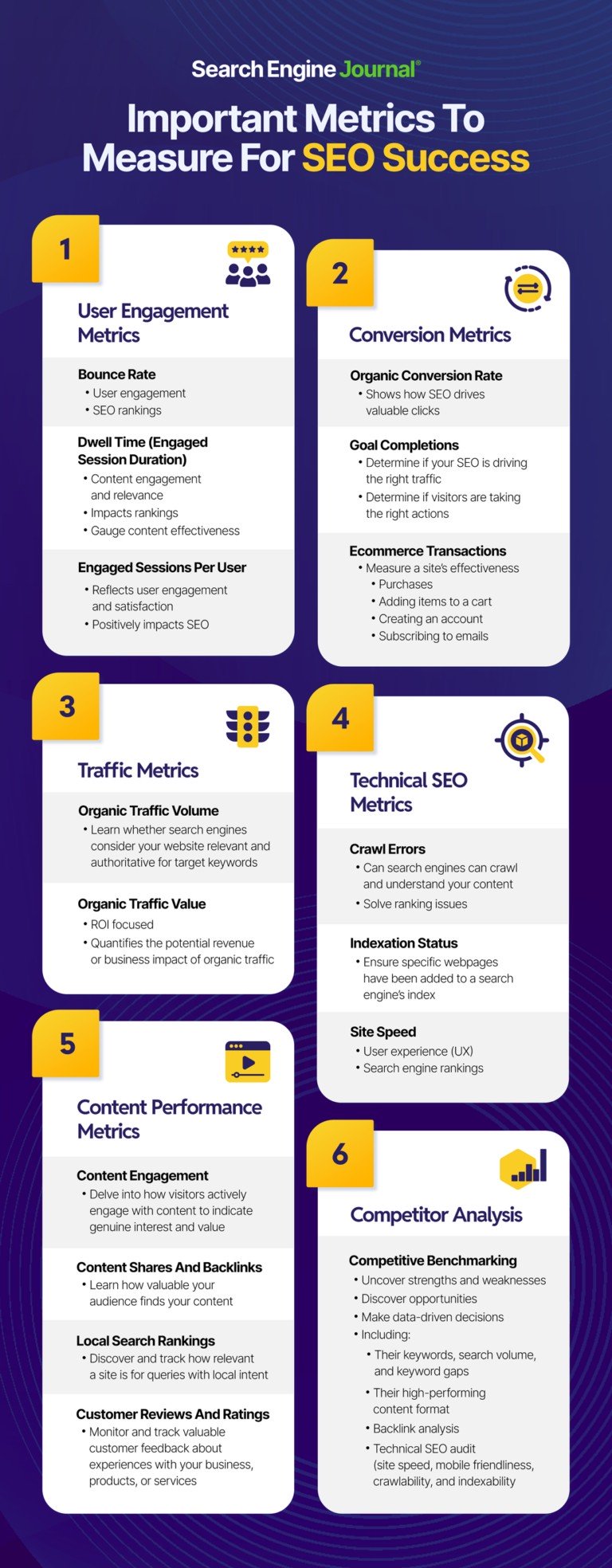
Professionals optimize paragraph length, sentence clarity, and transitions. Short paragraphs and logical progression keep readers engaged longer, which indirectly supports SEO through improved dwell time and reduced bounce rate.
Enhancing Engagement Metrics Through Optimization
1. Writing for dwell time and user engagement
Engaging introductions, clear explanations, and practical examples encourage readers to stay longer. Professionals write content that feels conversational yet authoritative, guiding users naturally through the page.
2. Reducing bounce rate with internal linking
Strategic internal links direct users to relevant next steps. This keeps visitors on your site longer and distributes link equity, helping both user experience and SEO performance.
Advanced On-Page SEO Techniques Professionals Use
1. Optimizing title tags and meta descriptions
Professionals write titles that balance keywords with click-worthiness. Meta descriptions, while not a ranking factor, influence CTR, which can indirectly improve rankings through better user interaction signals.
2. Strategic use of multimedia elements
Images, charts, and infographics enhance understanding and break text monotony. Optimized alt text improves accessibility and image search visibility while reinforcing topical relevance.
Content Optimization for Core Web Vitals and UX
1. Why user experience is a ranking factor
Search engines increasingly prioritize user experience metrics like page speed, stability, and interactivity. Optimized content must load quickly and remain visually stable to compete in modern SERPs.
2. Balancing design, performance, and SEO
Heavy design elements can slow pages down. Professionals balance visual appeal with performance by compressing images, minimizing scripts, and structuring content efficiently.
Updating and Refreshing Content for Long-Term Rankings
1. How content decay affects SEO
Over time, content can lose rankings due to outdated information or stronger competitors. Professionals regularly audit and refresh articles to maintain relevance and authority.
2. What to update without rewriting everything
Refreshing statistics, improving sections, adding new insights, and optimizing internal links can revive rankings without starting from scratch. Small updates often produce significant SEO gains.
Common Advanced SEO Mistakes to Avoid
1. Over-optimization and forced keywords
Keyword stuffing and unnatural phrasing can harm readability and rankings. Advanced SEO prioritizes clarity and value first, trusting relevance signals to follow naturally.
2. Ignoring intent shifts and SERP changes
Search intent evolves over time. Professionals monitor SERP changes and adapt content formats and angles to stay aligned with what search engines currently reward.
FAQ
How long does advanced content optimization take to show results?
Advanced optimization typically shows measurable improvements within four to twelve weeks. The timeline depends on competition, existing authority, and how well the content aligns with search intent and user expectations.
Is advanced SEO only for large websites?
No, advanced SEO benefits websites of all sizes. Smaller sites can compete effectively by focusing on topical depth, intent alignment, and high-quality content rather than volume alone.
How often should content be updated for SEO?
Most evergreen content should be reviewed every six to twelve months. Competitive or fast-changing topics may require more frequent updates to maintain accuracy and rankings.
Does content length matter for advanced SEO?
Length itself is not a ranking factor. Content should be as long as necessary to fully satisfy user intent. Comprehensive coverage often results in longer content, but clarity matters more than word count.
Can advanced SEO work without backlinks?
Backlinks still matter, but advanced on-page optimization can significantly improve rankings even with limited links. Strong content quality and topical authority reduce dependency on backlinks.
Conclusion: Optimizing Content Like a Pro
Advanced SEO content optimization is about precision, not shortcuts. Professionals win by understanding intent deeply, building topical authority, improving engagement, and continuously refining content. When you focus on value, clarity, and relevance, search engines naturally reward your efforts.
Master these advanced SEO tips, and your content will not only rank higher but also convert better and stay competitive long term.





Write a comment