
Making money online sounds easy until you discover how much work sits behind the phrase “passive income.” The reality is less glamorous—but far more useful. The best passive income ideas in 2026 are not magic systems that pay you while you do nothing. They are digital assets, content libraries, products, or automated systems that can continue generating revenue after the initial work is done.
That distinction matters. You may spend weeks creating a digital product, months building search traffic, or dozens of hours producing videos before seeing meaningful returns. But once the underlying asset starts attracting customers, viewers, or buyers, your income becomes less dependent on trading every hour for money.
If you want to learn how to make passive income online without relying on unrealistic promises, these seven models are worth considering.
What Passive Income Online Really Means
Passive income is about leverage, not doing nothing
True “set it and forget it” income is rare online. Even an established blog needs content updates, a YouTube channel needs occasional new videos, and a digital product may need customer support or improvements.
The better definition is income that is less directly tied to your daily working hours.
For example, a freelance writer generally gets paid for completing a specific project. A blogger who publishes an evergreen article can potentially earn from that article repeatedly through advertising, affiliate commissions, or product sales.
The work has not disappeared. It has been moved earlier in the process.
Why the model can work
Online passive income works because digital assets can be distributed repeatedly at relatively low marginal cost.
One useful article can attract thousands of visitors. One template can be sold hundreds of times. One tutorial can continue generating views long after publication.
The goal is therefore not to find a shortcut. It is to build something useful once and create a system that keeps putting it in front of the right audience.
Affiliate Marketing
How affiliate marketing creates recurring income
Affiliate marketing is one of the simplest ways to start building passive income online because you do not need to create the product yourself.
You recommend a product or service using a special tracking link. If someone makes a qualifying purchase, you receive a commission.
The passive element appears when your recommendation lives inside content that continues attracting visitors. A search-optimized comparison article, tutorial, product review, or resource page can potentially generate commissions long after you publish it.
For example, a website about productivity could publish articles covering project-management software, note-taking applications, email tools, and automation platforms.
Choose products based on usefulness, not commission size
A common mistake is choosing affiliate programs simply because they offer attractive commissions.
A better approach is to start with products your audience actually needs.
Look for:
- Products with a clear use case
- Services with strong customer demand
- Programs with reliable tracking and payments
- Products you can explain honestly
- Recurring commissions where appropriate
- Offers that naturally fit your content
Trust is an important part of affiliate marketing. If readers believe every article is simply trying to sell them something, conversions and long-term audience loyalty can suffer.
If you use affiliate links, make the relationship clear and conspicuous. The FTC specifically advises affiliate marketers to disclose their financial relationship close to the relevant recommendation or link.
Blogging and Evergreen SEO Content
Build content that answers lasting questions
Blogging can become a passive income asset when your content continues attracting organic search traffic.
The key word is evergreen.
An article answering a lasting question—such as how to choose accounting software, how to start a newsletter, or how to organize a small business—may remain useful for years with periodic updates.
Instead of publishing dozens of random articles, build a library around a specific audience and topic.
Combine several monetization methods
A successful blog does not have to depend on one income source.
Depending on the niche, you can combine:
- Display advertising
- Affiliate marketing
- Digital products
- Sponsored content
- Email marketing
- Lead generation
- Your own services or software
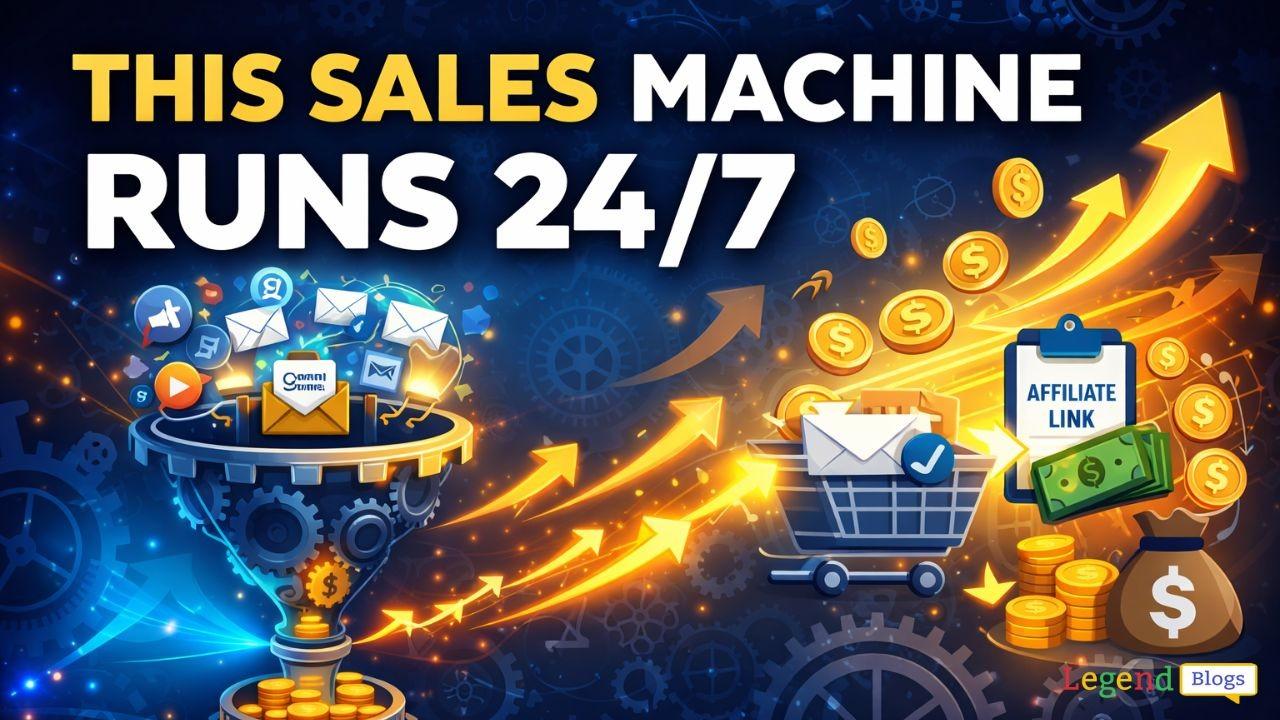
This creates a valuable flywheel. Search traffic brings visitors, useful content builds trust, and that audience can then interact with multiple monetization channels.
The biggest challenge is patience. SEO rarely produces meaningful results overnight, so blogging works best when you are willing to build an asset over months rather than expecting immediate income.
Sell Digital Products
Create something once and sell it repeatedly
Digital products are attractive because they do not require physical inventory or shipping.
Depending on your skills, you could create:
- Ebooks
- Templates
- Checklists
- Spreadsheet systems
- Notion templates
- Design assets
- Printable resources
- Educational guides
- Photography presets
- Online courses
- Business documents
The most profitable product is not necessarily the most complicated one.
A simple template that saves someone two hours can be more valuable than a 200-page ebook nobody finishes.
Solve a specific problem
Start with a problem rather than a product.
Instead of asking, “What ebook should I create?” ask:
“What repeatedly frustrates my target audience?”
If you discover that freelancers struggle to track invoices, for example, a ready-to-use financial tracking template may be more useful than a general guide to freelancing.
Once created, the product can be delivered automatically through a digital storefront, while email sequences and automated checkout systems handle much of the customer journey.
That is where a digital product changes from a one-time project into a potentially scalable income asset.
Build a YouTube Content Library
Evergreen videos can keep working
YouTube is often associated with constant content production, but not every channel needs to depend entirely on trending videos.
Evergreen tutorials, explainers, reviews, educational content, and problem-solving videos can continue attracting viewers through search and recommendations.
A video explaining how to use a particular software feature, for example, may remain useful long after publication.
The more useful videos you build around a specific topic, the larger your content library becomes.
Use more than advertising
Advertising is only one potential revenue source.
Depending on eligibility and location, YouTube creators can monetize through features including advertising, YouTube Premium revenue, memberships, Super Thanks, Super Chat, and Shopping-related opportunities.
YouTube's Shopping affiliate program is also available to eligible creators in India and several other markets, allowing qualifying creators to earn commissions from tagged products.
That makes YouTube particularly interesting when your videos naturally support product recommendations.
The important point is that monetization eligibility and requirements can change, so check YouTube's current policies before building your strategy around a particular feature.
Try Print-on-Demand
Sell products without holding inventory
Print-on-demand allows you to sell products featuring your designs without purchasing large quantities of inventory in advance.
Depending on the platform and product catalog, your designs might appear on clothing, posters, mugs, stationery, accessories, or other merchandise.
When a customer places an order, the fulfillment process is handled by the print-on-demand provider.
This removes several traditional ecommerce headaches, including inventory storage and packing individual orders.
Niche beats generic designs
The challenge is not uploading hundreds of designs. It is creating designs that a particular group actually wants.
A narrowly defined audience can be more valuable than a huge generic market.
Think about communities, hobbies, professions, interests, events, or identities with strong purchasing intent. A design created specifically for a recognizable audience can be easier to position than another generic motivational quote.
Avoid blindly copying trends or copyrighted characters, logos, slogans, and artwork. Building an asset around intellectual property you do not have permission to use can turn a potentially passive business into a legal and financial problem.
License Photos, Videos, Music, or Design Assets
Turn creative work into reusable assets
If you already create photographs, illustrations, video footage, music, sound effects, fonts, icons, or other digital assets, licensing can provide another route to passive income.
Instead of selling your time for every individual project, you create an asset that can potentially be licensed repeatedly.
For example, a photographer might upload commercial images that businesses can license. A designer might create icon packs or presentation assets. A musician could license suitable tracks for videos or other projects.
Build a catalog rather than chasing one sale
The power of this model comes from volume and discoverability.
One asset may generate little income. Hundreds of useful, searchable assets create a larger surface area for potential sales.
That makes catalog-building important.
Focus on quality, metadata, searchability, and the needs of buyers. Over time, older assets can continue contributing revenue while you add new ones.
Build or Buy a Revenue-Generating Website
Treat a website as a digital asset
Another approach is to build a website that already has traffic and monetization potential—or acquire an existing site with established revenue.
Websites can make money through advertising, affiliate partnerships, digital products, lead generation, subscriptions, or other business models.
The attraction is that you are not starting entirely from zero if you acquire an established property.
However, this model requires more caution than many passive-income articles suggest.
A website's traffic can decline. Search algorithms can change. Affiliate programs can reduce commissions. Content can become outdated.
Before buying a website, investigate its traffic sources, revenue history, expenses, backlink profile, content quality, and dependence on individual platforms.
Improve the asset instead of simply owning it
The strongest approach is to treat a website like a small digital business.
You can improve:
- Search visibility
- Content quality
- Conversion rates
- Internal linking
- Email capture
- Affiliate placement
- Product offerings
- Site speed and usability
In other words, buying a website does not automatically create passive income. It gives you an asset that may become increasingly efficient with smart management.
Common Passive Income Mistakes to Avoid
Trying seven strategies at the same time
Reading about seven income streams can make you want to try all seven.
That is usually a mistake.
Each model has its own learning curve. Blogging requires content and SEO skills. YouTube requires scripting, production, and audience development. Digital products require product design and marketing.
Choose one model that matches your existing strengths and resources.
Build it until you understand what drives traffic, conversions, and revenue. Then consider adding another income stream.
Expecting fast results
Passive income content often focuses on the result and hides the setup period.
A digital product may take weeks to create. A website can take months to build meaningful search visibility. A YouTube channel may require a substantial library before you understand which topics resonate.
There is no guaranteed timeline.
A more productive goal is to track leading indicators such as published content, email subscribers, qualified visitors, product conversions, returning customers, and revenue per asset.
Confusing automation with quality
Automation can reduce repetitive work, but it cannot rescue a bad offer.
Automated emails do not make an unhelpful product valuable. Scheduled social posts do not make weak content compelling. AI-generated material does not automatically satisfy an audience.
Automation should remove repetitive tasks after you have created something people genuinely want.
How to Build Passive Income More Strategically
Start with one audience and one problem
The strongest passive income businesses usually begin with a specific audience.
Ask:
- Who do I want to help?
- What problem do they repeatedly have?
- What information or product would solve it?
- Where does this audience already search for answers?
- How can I create an asset that keeps delivering that solution?
This approach is much more reliable than randomly choosing a platform because someone claims it is profitable.
Build an asset, then build distribution
Creating the asset is only half the job.
A fantastic ebook nobody discovers will not produce meaningful income. A brilliant video with no audience may receive very few views. An excellent template still needs a way to reach potential buyers.
Think of the process as:
Problem → Asset → Distribution → Conversion → Automation → Optimization
That sequence creates a repeatable system.
Reinvest the first revenue
Your earliest profits do not necessarily need to become spending money.
Consider reinvesting them into better software, content production, design, SEO research, email marketing, customer support, or outsourcing repetitive tasks.
The objective is to gradually reduce the amount of personal effort required to maintain the same level of output.
FAQ
How long does it take to make passive income online?
There is no universal timeline. Some digital products can generate their first sales quickly, while SEO websites and YouTube channels may take months to develop meaningful traffic. Your niche, skills, distribution strategy, consistency, and product-market fit all influence the result.
What is the easiest passive income idea for beginners?
Affiliate marketing, blogging, digital products, and content licensing can be relatively accessible because they can be started without manufacturing physical inventory. The easiest option depends on your existing skills and audience.
Can passive income completely replace a salary?
It can for some people, but it should not be treated as guaranteed. Replacing a full-time income usually requires substantial traffic, sales, capital, or multiple revenue-producing assets. It is safer to build gradually rather than assume one income stream will replace your job.
Is passive income really passive?
Usually, no. A better description is semi-passive income. You do the majority of the work upfront and then maintain, update, market, or optimize the asset periodically.
Do I need money to start making passive income online?
Not necessarily. Blogging, affiliate marketing, YouTube, and some digital-product models can be started with relatively little upfront capital. However, free tools often come with limitations, and investing in quality tools or education may save time later.
Is YouTube still a good passive income strategy in 2026?
It can be, particularly for evergreen educational and problem-solving content. However, monetization depends on YouTube's current eligibility rules and policies, and building a successful channel still requires consistent content and audience development.
What should I avoid when starting a passive income business?
Avoid schemes promising guaranteed returns, copied content, fake reviews, copyright infringement, misleading income claims, and businesses that depend entirely on a single platform or traffic source.
Conclusion
The best way to make passive income online in 2026 is not to search for a button that magically produces money.
It is to build an asset that solves a real problem and can be distributed repeatedly.
That could be a library of SEO articles, a collection of digital products, a YouTube channel, a print-on-demand catalog, licensed creative assets, an affiliate content site, or a revenue-generating website.
Start with one.
Choose a specific audience, solve a problem better than the alternatives, create something genuinely useful, and build a distribution system around it. Then automate the repetitive parts and reinvest what you earn.
The real advantage of passive income is not that you never work. It is that the work you do today can continue creating value tomorrow.



Write a comment