327 Prompts for Tiny Action Books is an advanced AI prompting system designed to help creators generate complete, publish-ready “Tiny Action” books by leveraging behavioural psychology and micro-action principles. Rather than simple writing suggestions, these prompts guide AI to act like an editor, strategist, and book designer all at once — helping you create structured nonfiction content that readers actually finish and enjoy.
This article dives deep into what the system is, how it works, who it’s for, the real benefits and drawbacks, how to use it effectively, common mistakes to avoid, and whether it’s right for your publishing goals.
This review evaluates the product as a prompt-based workflow, not as a guaranteed publishing shortcut. Its practical value depends on the prompt quality, the user’s subject knowledge, careful editing, and whether the final manuscript meets the chosen platform’s rules. Treat claims about commercial success, ranking, or time saved as claims to verify rather than promised results.
What the prompt pack can and cannot do
Prompts guide work; they do not replace expertise
A structured prompt can help a writer clarify an audience, plan a sequence of short exercises, and ask an AI tool for a draft in a repeatable format. That is useful when a blank page or inconsistent chapter structure slows a project. The prompt itself does not guarantee that the suggestions are accurate, original, safe, or suitable for a reader.
If you are comparing software alongside a prompt workflow, our guide to AI tools for content writing covers a broader set of writing tools and use cases.

AI output still needs human judgment. Review recommendations, examples, and factual statements; replace generic advice with specific, useful guidance; and remove claims that cannot be supported. A polished-looking outline is a starting point, not evidence that the book is ready to publish.
Separate advertised features from verified contents
The product page or seller’s current materials are the best place to confirm exactly what is included, how access works, and what support or updates are offered. The number of prompts and the described deliverables should be checked against the actual package before purchase. Do not assume every prompt produces a complete book, cover, or market-ready keyword plan without further work.
What Is the Tiny Action Book Concept?
1. The Psychology Behind Tiny Actions
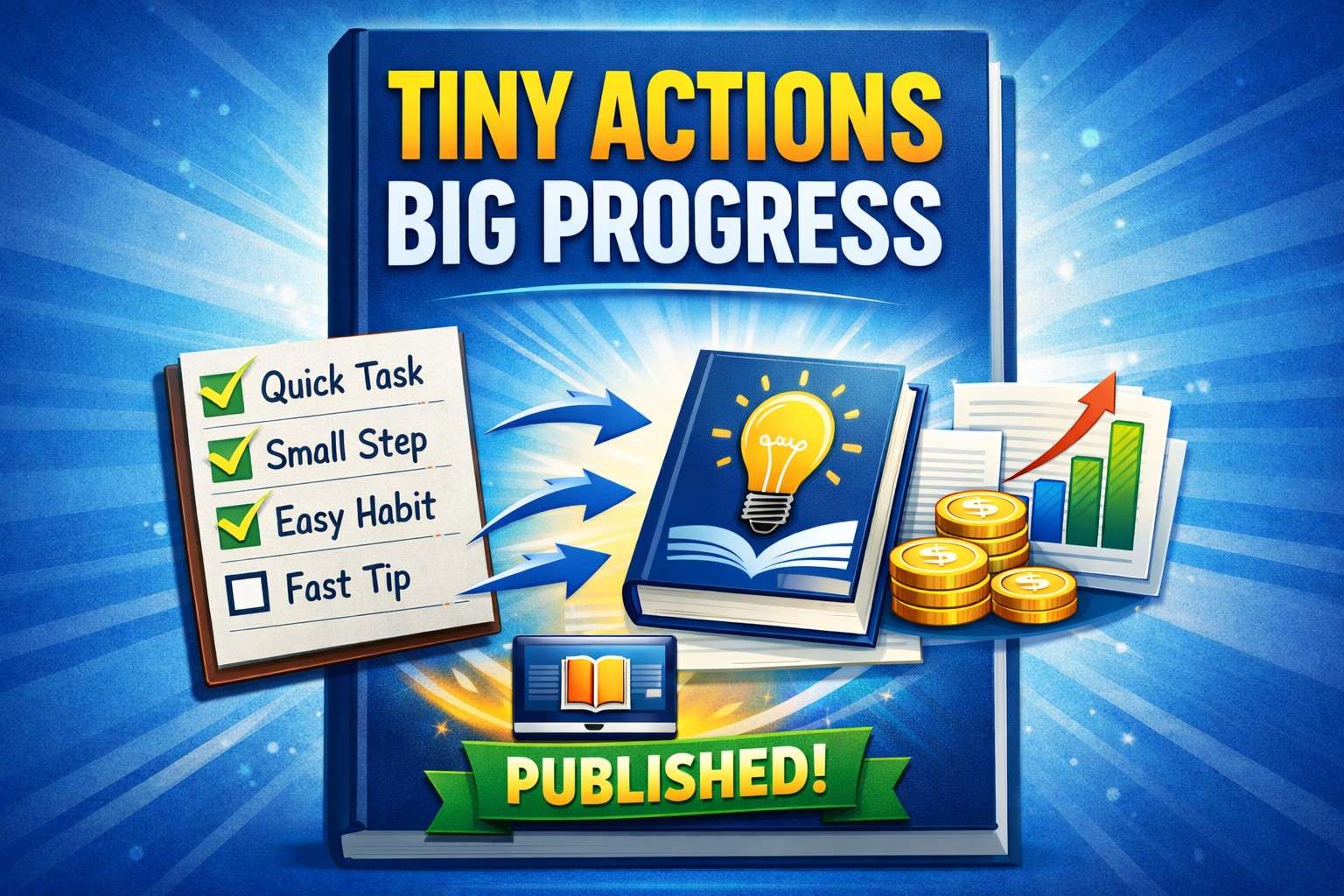
Tiny Action Books are built around the idea that small, achievable tasks make progress feel possible. Instead of overwhelming readers with long chapters or abstract theory, these books provide micro-actions — simple, actionable steps often taking less than 30 seconds — that help readers move forward in meaningful ways.
This strategy draws from habit science and psychology: progress feels easier and more sustainable when tasks are manageable, consistent, and emotionally non-threatening.
2. Why Tiny Action Books Work for Today’s Readers
Modern readers often struggle with traditional self-help books because they demand time, focus, and mental energy. Tiny Action Books flip that model: they reduce friction, build confidence through small wins, and encourage readers to engage repeatedly without pressure.
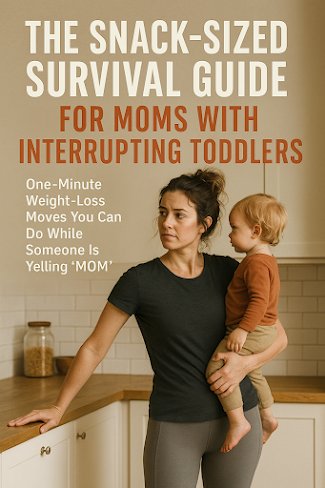
As a result, completion rates are higher — which directly impacts reader satisfaction, ratings, and sales.
Inside 327 Prompts for Tiny Action Books
1. What You Get With the System
The system isn’t just a list of ideas — it’s a complete toolkit of 327 “super prompts” engineered to guide AI to produce publish-ready Tiny Action Books, even if you have no prior writing, design, or marketing experience
Every prompt is designed so that when entered into AI (like ChatGPT), it:
- Generates a magnetic title and subtitle
- Produces a back-cover sales description
- Suggests Amazon KDP SEO keywords
- Outlines 10+ chapters with actionable content
- Creates infographic and cover art prompts
- Provides a branded framework for the book
This means you’re not starting from scratch — the prompts act as a publishing engine rather than a creative spark alone.
2. How These Prompts Differ From Basic AI Prompts
Most generic prompts simply ask AI to “write content.” 327 Super Prompts for Tiny Action Books forces AI to think like a team of professionals: behavioural scientists, editors, marketers, and designers. This leads to more coherent, structured, and marketable output.
Benefits of Using 327 Prompts for Tiny Action Books
1. Beginner-Friendly and Time-Saving
For creators with little publishing experience, this system eliminates the guesswork involved with structuring a book, conducting keyword research, and building a design. It dramatically cuts down the time from idea to publication.
2. Built-In SEO and Market Alignment
Unlike generic writing prompts, these prompts embed SEO logic and niche targeting — which helps your book not only get discovered but also rank better on platforms like Amazon and Etsy.
3. Flexibility Across Formats and Niches
The 327 prompts cover multiple niches and types of Tiny Action Books — from productivity and habits to wellness and skills — making them adaptable to different audiences and platforms.
Limitations and purchase checks
Do not assume sales, ranking, or speed
Prompts cannot guarantee that readers will find a book, that a listing will rank, or that a project will earn income. Those outcomes depend on audience demand, the quality and originality of the book, presentation, distribution, competition, and marketing. A structured system may reduce planning friction, but it cannot substitute for testing an idea with real readers.
Likewise, a claim that a book can be completed in hours should be treated as an individual possibility, not a reliable schedule. Research, editing, fact-checking, layout, accessibility checks, and platform preparation take time. Set a realistic plan based on the complexity and risk of the topic.
Check offer terms before paying
Before buying, review the current price and currency, what is included, whether access is ongoing or limited, any recurring charges, the refund policy, and the seller’s support contact. Terms can change, and the price quoted in an older article may no longer be current. Avoid making a decision from an outdated price reference or a promotional claim alone.
Consider whether you already have a writing process or tools that perform the same task. A prompt pack may be helpful if it provides a coherent process you will actually use; it may be unnecessary if you prefer to plan and revise without templates. The relevant comparison is not the advertised number of prompts, but how much useful, trustworthy work the system helps you complete.
4. Encourages Reader Engagement and Completion
Because the books produced are short, actionable, and easy to read, readers are more likely to finish them, post positive reviews, and return for future content — all of which strengthen your author presence and sales potential.
How to Use the 327 Prompt System Effectively
1. Choose Your Niche First
Before entering a prompt into AI, define a clear niche (e.g., stress relief, productivity hacks, or beginner fitness). A well-defined niche makes your Tiny Action Book more targeted and easier to market.
2. Customize Rather Than Copy
Don’t simply paste the generated content into your book — refine it to match your voice, audience expectations, and platform requirements. This increases the quality and authenticity of the final product.
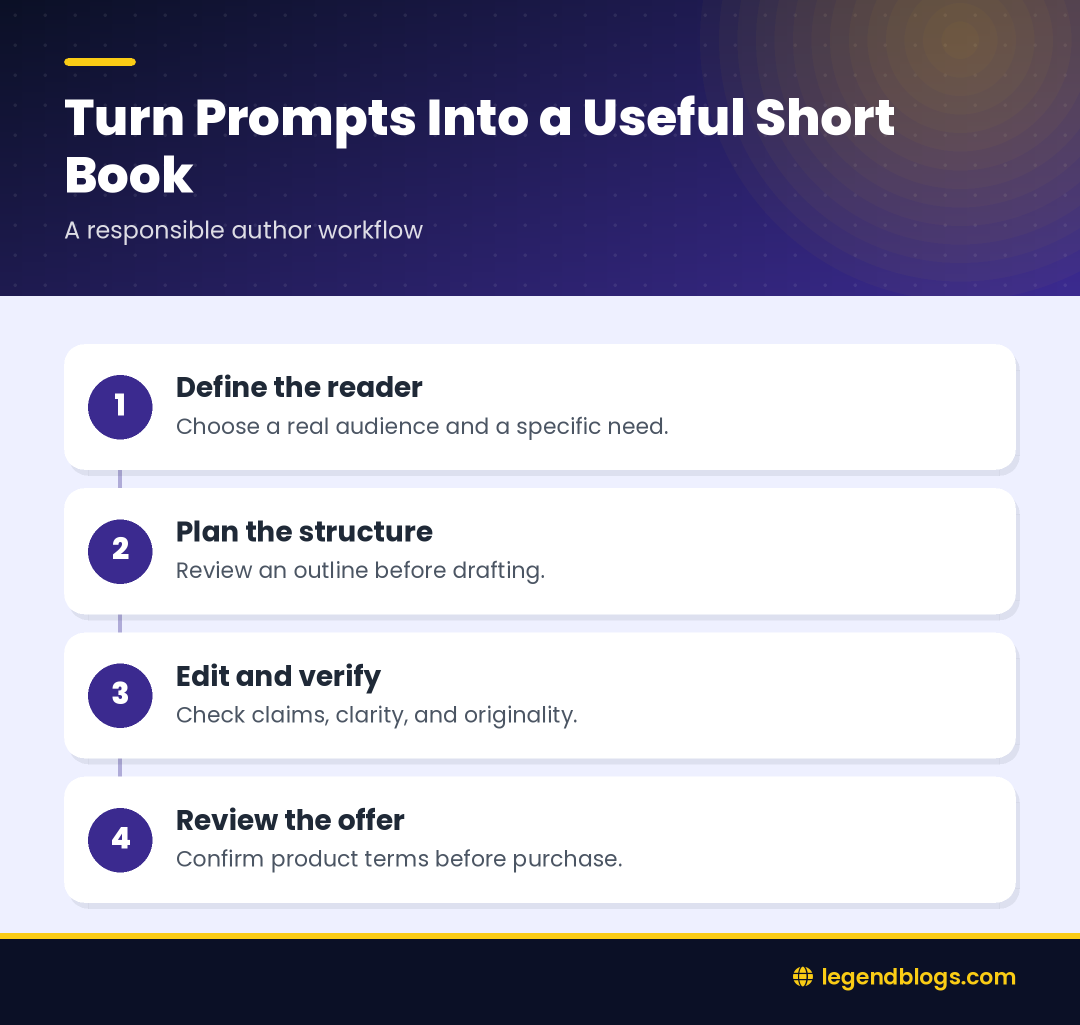
A practical workflow for using the prompts
Start with a reader problem, not a broad topic
Choose a specific reader and a small problem they want to solve. “Productivity” is too broad to guide a concise book; a more useful brief might focus on helping a new freelancer plan the first hour of a workday. Define what the reader can reasonably do after reading, and keep the promised result within the author’s expertise.
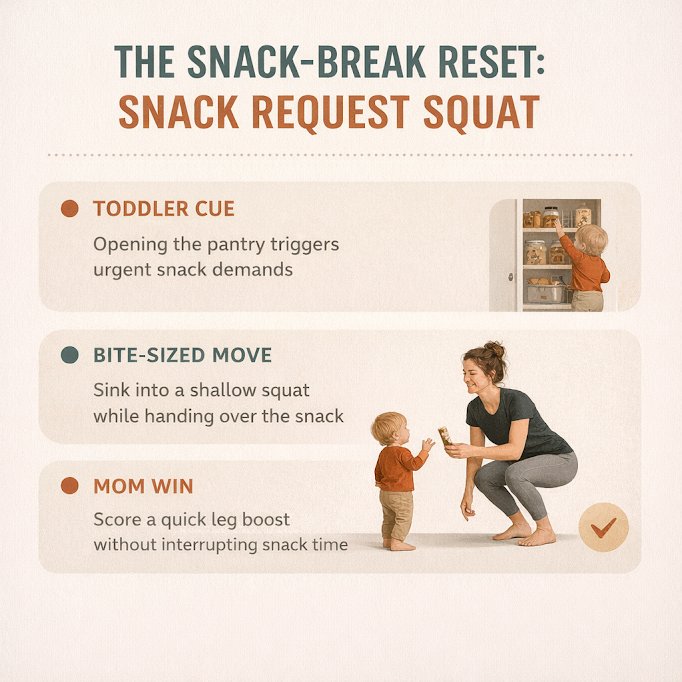
Next, decide the format and scope before generating chapters. A tiny-action book might use short sections with one action, a reason it helps, and a simple way to try it. A consistent structure makes the book easier to review and helps the reader understand what to do rather than merely read general encouragement.
Draft, check, and refine in passes
- Write a concise reader brief: audience, situation, goal, tone, and boundaries.
- Ask for an outline and check that the sequence makes sense before drafting chapters.
- Generate one section at a time, then edit it for clarity and usefulness.
- Verify factual or professional claims using appropriate sources or qualified review.
- Read the complete manuscript for repetition, contradictions, and missing steps.
- Check the final file against the current publishing platform’s formatting and disclosure rules.
Working in passes is usually more effective than asking an AI system to generate a whole book in one request. It allows the author to correct a weak outline early, preserve a consistent voice, and see whether each action is genuinely achievable for the intended reader.
Quality control, originality, and reader safety
Review every instruction as if a reader will follow it
For topics involving health, money, legal matters, or personal safety, a small action can still carry real consequences. Avoid advice that implies a universal outcome, and seek appropriate expert review when the subject requires it. Add limits, warnings, or referral guidance where a reader could otherwise misunderstand the scope.
Check generated text for fabricated references, outdated facts, and unsupported cause-and-effect claims. If the manuscript cites studies, confirm the source exists and supports the statement. If it includes exercises, try them yourself or ask appropriate test readers whether the instructions are clear and practical.
Make the final work your own
Do not rely on output that sounds generic or repeats familiar advice without a distinctive perspective. Add your own examples, methods, experience, and editing. Compare phrases and passages that seem unusually specific against reliable sources and other work; revise anything that is too close or lacks a clear basis.
Also inspect images, cover elements, and other assets for rights and licensing terms. A prompt that describes an image does not itself grant the right to use an image produced or sourced elsewhere. Keep records of assets and check the publication platform’s current rules before uploading.
3. Use Prompts to Guide Multiple Outputs
Each prompt can generate not just chapters but also titles, descriptions, and graphics — leverage all components to build a cohesive book package that feels professional.
Common Mistakes to Avoid
1. Expecting Instant Success
Although the system speeds up creation, success still depends on quality execution, proper niche choice, and marketing. There’s no guarantee a book will go viral without strategic positioning.
2. Ignoring Reader Feedback
Once the first book is published, pay attention to reviews and engagement. Use that feedback to improve future books and better align with your audience’s needs.
Who 327 Prompts for Tiny Action Books Is Best For
- Aspiring authors who want a guided system
- Content creators expanding into digital products
- Coaches and educators creating value-driven micro-books
- Entrepreneurs building passive income streams
- Anyone overwhelmed by traditional book writing Skool
Is It Worth the Investment?
Priced affordably (often around a one-time $17 entry level), this system provides tools that traditionally would require multiple specialists — from editors to SEO strategists. If you plan to publish multiple books, the value significantly increases.
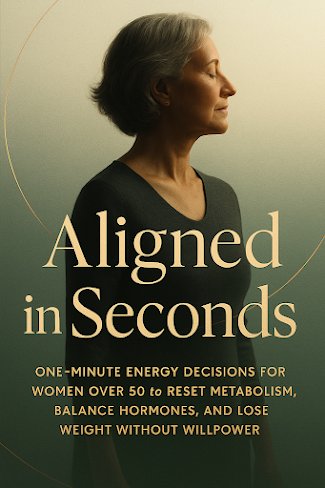
You can download Create Bestselling Tiny Action Books with 327 Prompts.
That said, this isn’t a magic solution. The real leverage comes when you take action, refine your content, and market it effectively.
Offer and pricing note: The price mentioned in older versions of this review is not verified as a current offer. Product contents, access terms, pricing, and refund conditions can change; confirm them directly with the seller before purchasing. This guide does not independently verify sales, ranking, or time-saving claims, and no prompt pack can guarantee a publishing result.
FAQ
What exactly does 327 Prompts for Tiny Action Books help you create?
It helps you generate complete, publish-ready Tiny Action Books using AI prompts engineered to act like a professional publishing team.
Do you need writing experience to use this system?
No — it’s specifically designed to work for beginners, providing structures that simplify the writing process.
Can these prompts be used for platforms other than Amazon?
Yes — they can be adapted for Etsy digital downloads, paid newsletters, or lead magnets.
How long does it take to create a book with this system?
Many creators report completing a book in hours (not weeks), though quality and customization affect final timelines.
Will using these prompts guarantee book sales?
No system can guarantee sales. Success still requires niche research, marketing, and audience understanding.
Who may benefit and who may not
Potentially useful for structured beginners
A new author who wants a repeatable outline and a series of drafting questions may benefit from a guided prompt framework. Coaches or educators may also use prompts to brainstorm exercises, provided they review the content for accuracy and adapt it to their audience. In both cases, the author remains responsible for the final material.
Less useful when expertise or editing is missing
The product is a weaker fit for someone expecting a finished manuscript without review, a guarantee of sales, or subject-matter authority supplied by prompts. It may also add little value to writers who already have a tested process and only need a small number of tailored prompts. Decide based on your workflow, budget, and willingness to edit—not on claims of effortless publishing.
Use a buyer checklist before deciding
- Confirm the current contents and the precise number and format of materials included.
- Check current pricing, renewal terms, refund conditions, and access arrangements.
- Review a sample prompt or preview to see whether the instructions are specific enough.
- Decide how you will fact-check, edit, and test the generated material.
- Assess whether your proposed topic needs expert review or additional safeguards.
- Compare the pack with tools and methods you already have.
This checklist keeps the purchase decision grounded in the actual offer and your own publishing plan. If important terms are missing, seek clarification from the seller before buying rather than assuming a favorable answer.
Conclusion: A Strategic Tool for Modern Creators
327 Prompts for Tiny Action Books isn’t just a prompt pack — it’s a complete publishing framework that leverages AI to help creators accelerate the book-writing process while maintaining structure, momentum, and market relevance.
By focusing on tiny actions and actionable content, it aligns with how today’s readers prefer to consume nonfiction — short, simple, and immediately applicable. If you’re serious about publishing and want a structured way to convert ideas into books readers actually finish, this system is worth exploring.
Write a comment